A beginner guide to wilderness survival games
Survival games test patience and planning in harsh places. This guide covers the early priorities that help new players last longer and enjoy the challenge.
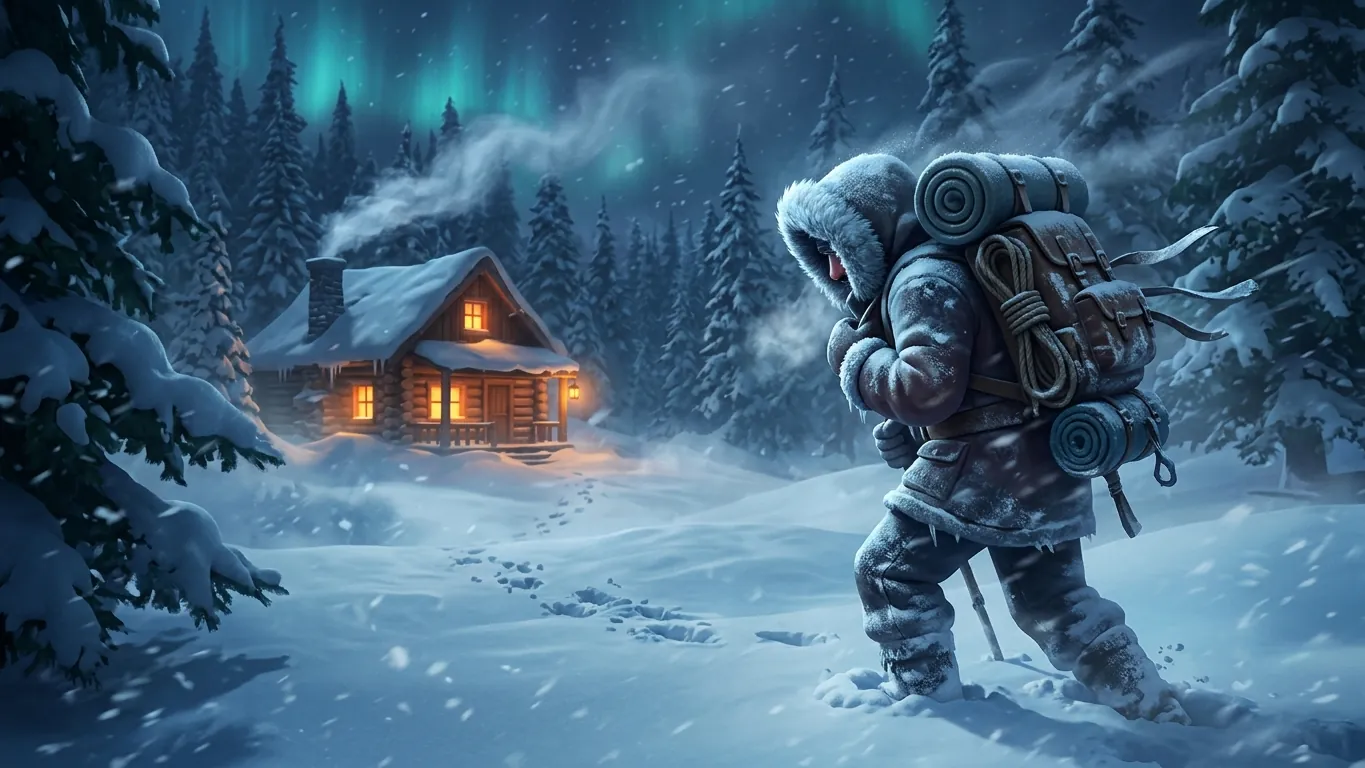
Why survival games feel so northern
Survival games put you against the environment. Cold, hunger, thirst, darkness and wildlife are the main opponents. That theme fits long winters perfectly. There is a special calm in managing a small fire while a storm howls outside, even if the storm is only on screen.
The genre is broad. Some games are punishing, with permanent consequences. Others are gentle and focus on crafting and building. Many offer custom difficulty, letting you switch off certain threats. Read the options before your first run.
Your first ten minutes
The opening of a survival game often decides how a run goes. Look around before you rush anywhere. Pick up basic materials such as sticks, stones and plant fibers. These usually become your first tools.
Craft a simple tool early, because it speeds up gathering. Then think about light and warmth. A fire or torch often protects you from cold and gives a safe point to return to. Avoid wandering far at night until you know the area.
Managing hunger, thirst and cold
Most survival games track several needs at once. The trick is not to let any of them drop to a critical level. Check them often and act early. Eating when you are slightly hungry is easier than searching for food while starving.
Cold is usually the most dangerous need in winter settings. Better clothing, shelter and fire all help. Plan trips so you can return to warmth before it runs out. Store extra food and water near your base, so you are not starting from zero after a hard trip.
Building a shelter that works
Your first shelter does not need to be beautiful. It needs to keep you warm, store supplies and give you a safe place to rest. Choose a spot near water and resources but away from obvious dangers.
Upgrade gradually. Add storage, a better fire, a crafting station and, where the game allows, defenses. A tidy base saves time: group items by type so you can grab what you need fast. Many players enjoy this part most, turning a small hut into a cozy home over many in-game days.
Staying calm when a run goes wrong
Setbacks are part of the genre. These habits help.
- 01
Pause and assess
Check your needs and surroundings before acting. Panic leads to more mistakes.
- 02
Retreat to safety
Return to a known safe spot with warmth and supplies, even if it means leaving loot behind.
- 03
Note the lesson
If a run ends, write down what caused it. Use that lesson in the next attempt.
Related articles
 Why cozy games belong on a winter top list
An opinion piece on why cozy PC games suit long winter evenings, what makes a game feel cozy and how to pick a calm game that fits your routine.
Read more
 Finding indie PC games worth your evenings
Tips for discovering indie PC games: using store filters, reading reviews well, trying demos, following small studios and building a varied shortlist.
Read more
 Tuning PC graphics settings for smooth play
A practical guide to PC graphics settings: resolution, frame rate, shadows, textures, anti-aliasing and upscaling, plus a simple tuning routine.
Read more