Feel on PC
Do the controls work well with a keyboard and mouse, and is controller support solid if you prefer it?
A good top list explains its choices. Here is the reasoning we use when a PC game earns a place on our list, and how you can use it for your own picks.
Most rankings answer one question: what is popular right now? That is useful, but it does not tell you if a game fits your evening, your hardware or your patience. A list should help you decide, not just impress you.
Our Canadian top of PC games is built around fit. We ask who a game is for, what it feels like after the first hour and how it plays on a typical home computer. A rank number alone hides all of that. So every pick on our list comes with short notes about mood, time commitment and difficulty.
The northern flavor matters too. We lean toward games that reward patience and curiosity: survival in harsh places, slow-burn strategy, exploration and cozy building. That is a taste, not a rule, and we say so openly.
These are the main questions we ask before a game joins the list.
Do the controls work well with a keyboard and mouse, and is controller support solid if you prefer it?
Can you enjoy it in short sessions, or does it need long blocks of focus?
Does it offer new choices, maps or strategies on a second run?
Are there difficulty options, remappable keys and readable menus?
Two players can love the same game for opposite reasons. One enjoys the tension of a survival game, while another enjoys the quiet crafting between storms. If a list only says a game is number three, neither player learns much.
That is why our notes describe what you actually do in a game. Do you spend most of the time building, fighting, planning or wandering? Is failure harsh or forgiving? Is there a story, or do you make your own? These details help you predict whether you will enjoy it.
We also point out downsides. A brilliant strategy game can still have a steep learning curve. A beautiful exploration game can feel slow. Knowing that in advance saves you from a disappointing purchase.
Games receive updates, new genres appear and our own taste shifts with time. A list frozen forever would quickly lose its value. We treat our top list as a living document that we revisit when we have something meaningful to add.
We also avoid pretending to be objective. No list can be. Our goal is to be transparent: you should always know why a game is there. If you disagree with a choice, that disagreement is useful information about your own taste.
Start with the genre that matches your current mood, not the one you think you should like. Read the notes on time commitment and difficulty. Check the system requirements on the store page against your PC. Then pick one game and give it a fair try of a few sessions.
Keep a short note of what you liked and what you did not. After three or four games, you will see a pattern. That pattern is more valuable than any ranking, including ours. Use our list as a starting point and build your own from there. If you want us to look at a specific game or genre, send a suggestion through the contact page.
 Choosing PC games by genre
A plain guide to major PC game genres, from strategy and survival to exploration and cozy builders, with tips on matching a genre to your mood.
Read more
 Reading PC system requirements without the confusion
Learn how to read PC game system requirements, check your processor, graphics card, memory and storage, and decide if a game will run well for you.
Read more
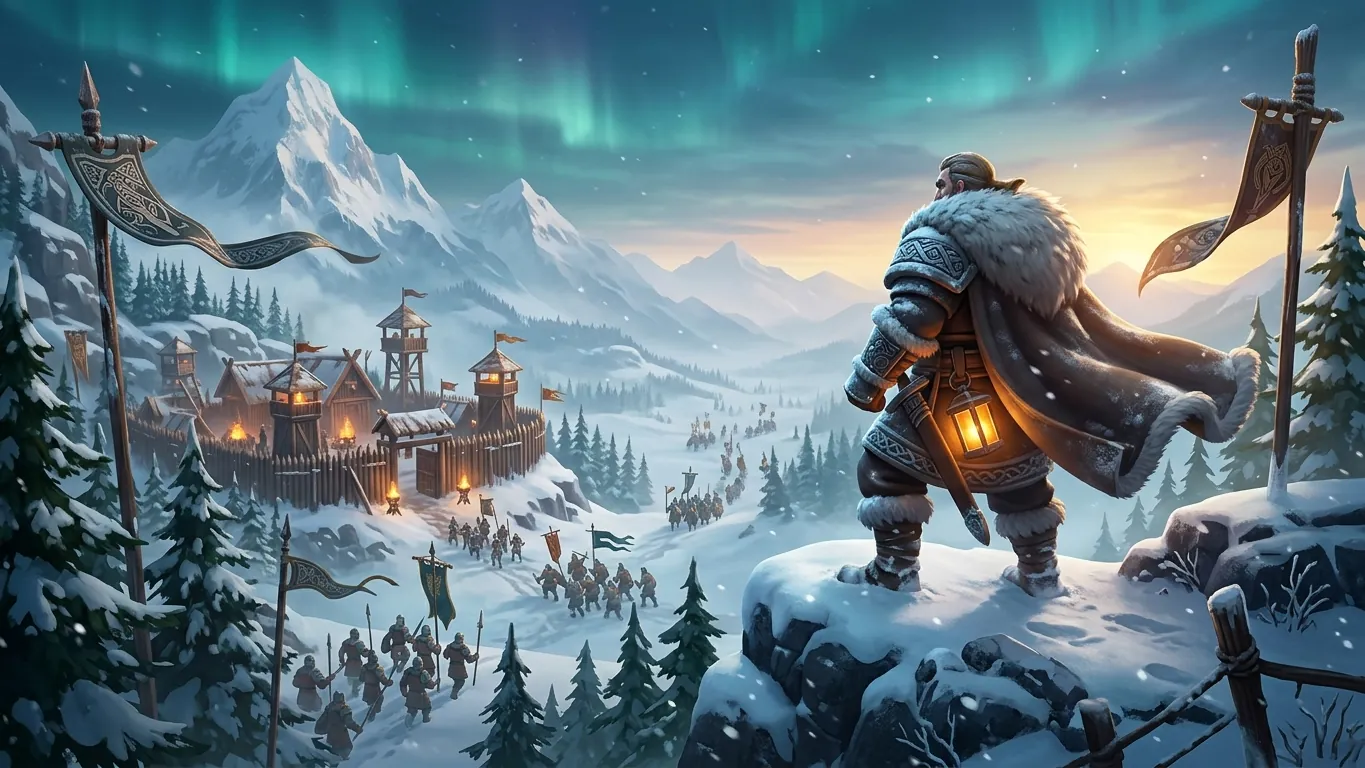 Getting comfortable with strategy games on PC
Practical tips for starting strategy games on PC: learning the economy, scouting, using hotkeys, pacing your expansion and learning from each match.
Read more